Experienced South Florence Tree Maintenance
Exploring the Function of an Arborist: Crucial Services for Tree Vitality and Management
An arborist is vital for sustaining tree well-being and longevity. Arborists use specialized expertise to evaluate trees and create specific care plans. This encompasses trimming, diagnosing diseases, and controlling soil quality. Tree care professionals play a significant role in fostering sustainable growth. Their expertise not only boosts the visual appeal of landscapes but also maintains ecological health. Knowing their main offerings can highlight the critical impact they have on city and country environments as well.
The Significance of Arborists in Tree Care
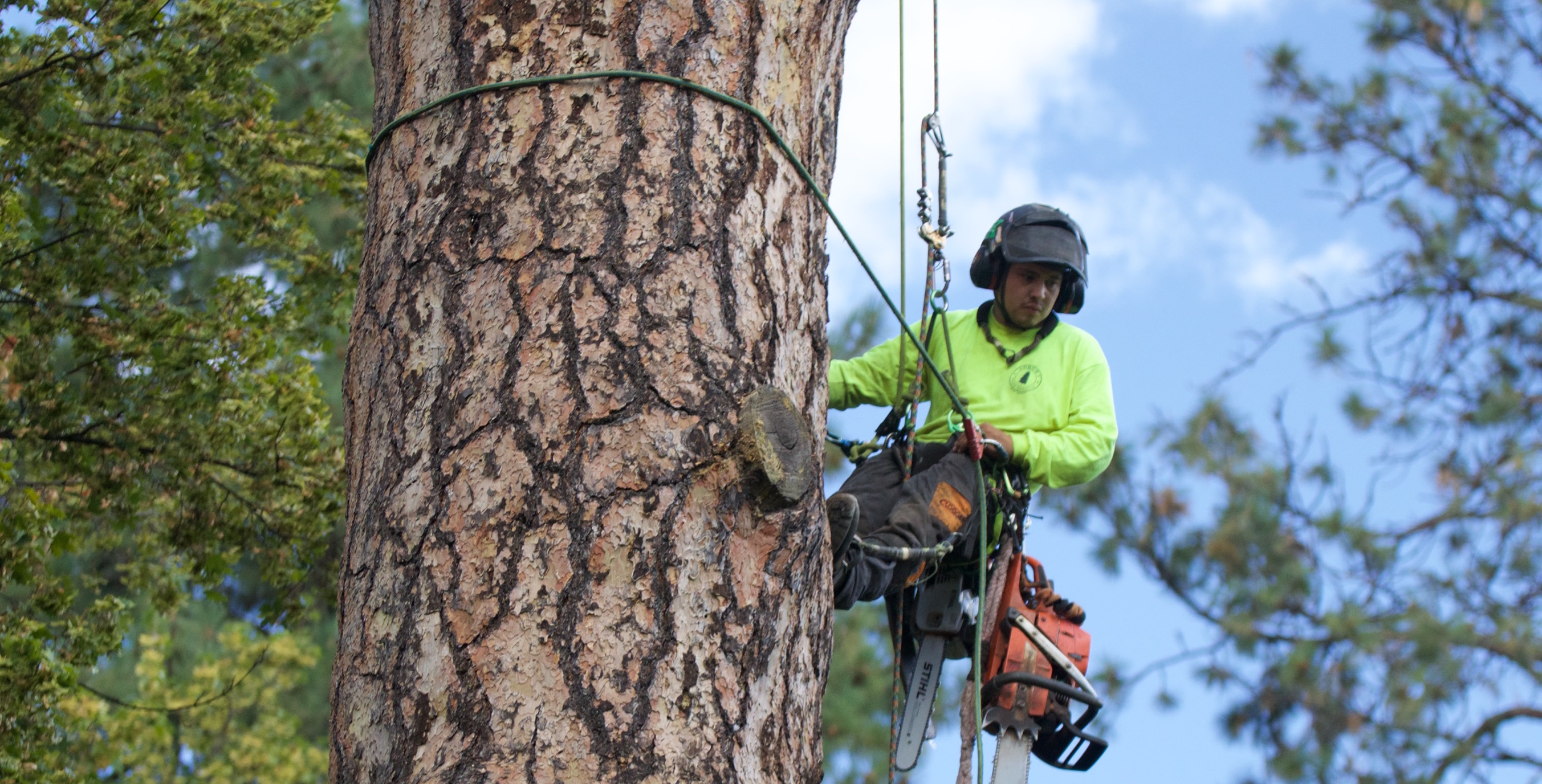
Even though many homeowners may fail to appreciate the function of arborists, their expertise is essential for maintaining tree vitality and longevity. Tree specialists are trained professionals who are dedicated to the care and maintenance of trees. They possess in-depth understanding of tree life science, diseases, and environmental elements affecting growth. By evaluating tree health, arborists can spot potential concerns, ranging from pest infestations to nutrient deficiencies.
Their work include a range of essential tasks, including soil care, tree evaluations, and comprehensive maintenance plans. Arborists also play a major role in making sure trees are placed in suitable locations, considering factors such as sunlight, drainage, and space for growth. Their guidance allows homeowners to make informed choices that encourage sustainable tree growth. By hiring arborist care, homeowners not only boost the visual appeal of their landscapes but also support the ecological balance of their environment, making certain trees flourish for future generations.
Fundamental Tree Pruning Practices
Effective tree pruning methods are essential for keeping healthy and robust trees. Arborists use various approaches to enhance tree structure, stimulate growth, and eliminate dead or diseased branches. One essential technique is crown thinning, which includes selectively taking out branches to boost light penetration and air flow. One other key practice is crown lifting, where lower branches are pruned to enhance passage and viewing areas. Furthermore, the practice of crown reduction decreases the overall mass of a tree’s canopy, lessening pressure while upholding its structure.
Timing is also essential; pruning is typically best done during dormancy in the late winter or early spring months. This limits the amount of sap leakage and encourages healthy growth. Arborists suggest utilizing sanitized, keen equipment to create clean incisions, which aids in preventing harm to the tree. Finally, these essential practices don't just boost visual attractiveness but also substantially aid the tree's overall health and longevity.
Planting and Transplanting Trees
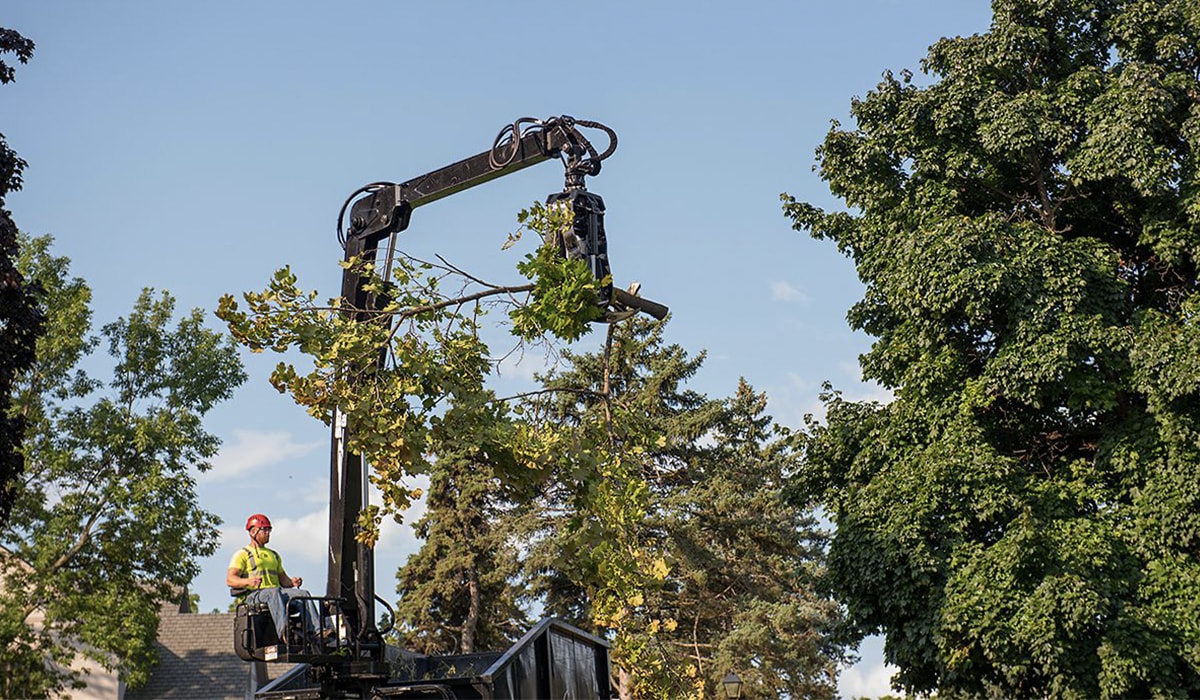
When looking at the installation of new trees, proper planting and transplanting techniques are crucial to secure their thriving development and integration into the landscape. Arborists emphasize the importance of selecting the right species for the location's environment, as well as making sure the planting pit is prepared well. The hole must be sufficiently broad to fit the entire root ball, facilitating natural root spread and air circulation
When transplanting, precautions must be observed to limit damage to the root system, which might obstruct the tree's chance to take hold in the new location. Arborists advise moving trees during the dormant season to reduce stress on the tree
(Florence Arborist)After planting or relocation, adequate irrigation and mulching are crucial for aiding the tree's successful important information rooting. Arborists also recommend tracking the tree’s growth and adjusting care practices as needed to secure a smooth integration into the surrounding environment, ultimately contributing to a thriving landscape
Identifying Tree Illnesses and Infestations
How do you successfully spot the signs of tree diseases and infestations? Arborists employ a deep knowledge of the science of trees and site conditions to determine the cause of these ailments. Symptoms such as discolored leaves, lack of vigor, or early defoliation frequently signal hidden issues. Additionally, the presence of unusual growths, such as cankers or galls, might suggest an illness or infestations.
Arborists also examine the bark for sores, bores, or sawdust-like material, which might indicate bugs are at work. Assessing the soil and the immediate surroundings helps identify stressors such as poor drainage or nutrient deficiencies. Knowledge of seasonal patterns is crucial, as certain pests become active at set times.
Tree Health Assessments and Maintenance Plans
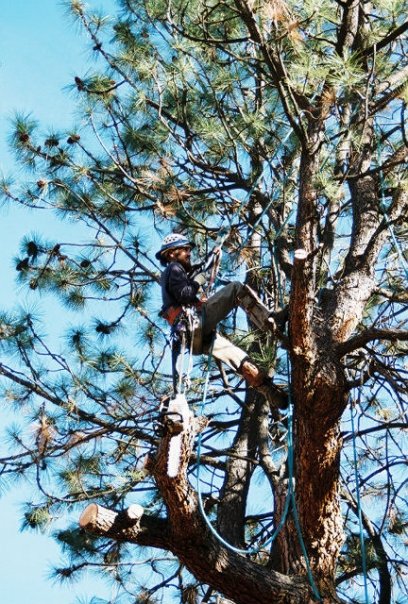
Which methods can be used to ensure optimal tree health? Certified arborists usually commence with comprehensive tree health evaluations, involving a careful review of the tree's current status, covering its physical structure, foliage, and root system. The inspection aids in recognizing potential concerns such as illnesses, insects, or environmental pressures. After the evaluation, a tailored maintenance plan is developed, focusing on individual needs
Common components of these plans involve appropriate irrigation timetables, fertilization techniques, and trimming procedures to optimize growth and durability - Florence Arborist. Furthermore, tree specialists might suggest mulching and soil management to increase nutrient access and retain water. Routine checking is vital, enabling changes to the maintenance plan when circumstances shift. By putting these techniques into practice, tree health and survival can be greatly improved, making sure they flourish in their habitat while contributing to the overall ecosystem
The Function of Tree Specialists in City Tree Management
Tree experts have a crucial function in managing city trees by caring for and keeping up the health of trees in city environments. Their expertise contributes greatly to the environmental balance and aesthetic value in city environments. Arborists are involved in planting, guaranteeing the right species are chosen according to local environmental factors and municipal planning necessities. They conduct regular health assessments to recognize pathogens, harmful pests, and physical defects, carrying out focused interventions to boost the well-being of the trees.
Moreover, arborists formulate and carry out management programs that involve cutting, nutrient application, and irrigation, optimizing tree growth and longevity. They also educate community members about the importance of trees and proper care practices. Working together with municipal planners and conservation agencies, arborists contribute to sustainable urban development, promoting biodiversity and improving air quality. Their job is essential in creating green spaces that serve both the community and the environment, resulting in stronger urban habitats.
FAQs
How Can I Find a Licensed Arborist Close By?
In order to locate a professional tree expert in your vicinity, it is advisable to check online directories, check with local nurseries, or contact tree care groups. It is vital to confirm credentials and look at testimonials to confirm excellent results.
What Credentials Should I Seek in an Arborist?
If you are hiring an arborist, it is important to find certifications such as ISA or ASCA, sufficient expertise, liability protection, and a solid reputation through reviews. These credentials guarantee professionalism and expertise in tree care and maintenance.
Do Seasons Matter for Tree Pruning?
The best time for tree trimming is during the end of winter or early spring when trees are resting. Yet, some species do well with summer pruning. Timing depends on the tree type and individual growing habits to encourage well-being and form.
What is the Typical Cost of Arborist Services Typically Cost?
The average price for arborist work is between $300 and $1,500, based on variables like tree size, location, and the complexity of the job - Florence Arborist. The rates often differ greatly based on local market needs and service provider skill level
Is it Possible to Handle Tree Maintenance Without Professional Help?
Certainly, people are able to handle basic tree care without professional help, such as watering and mulching. Nevertheless, for difficult jobs, such as trimming or checking for sickness, consulting a certified arborist is recommended to ensure the tree's vitality.